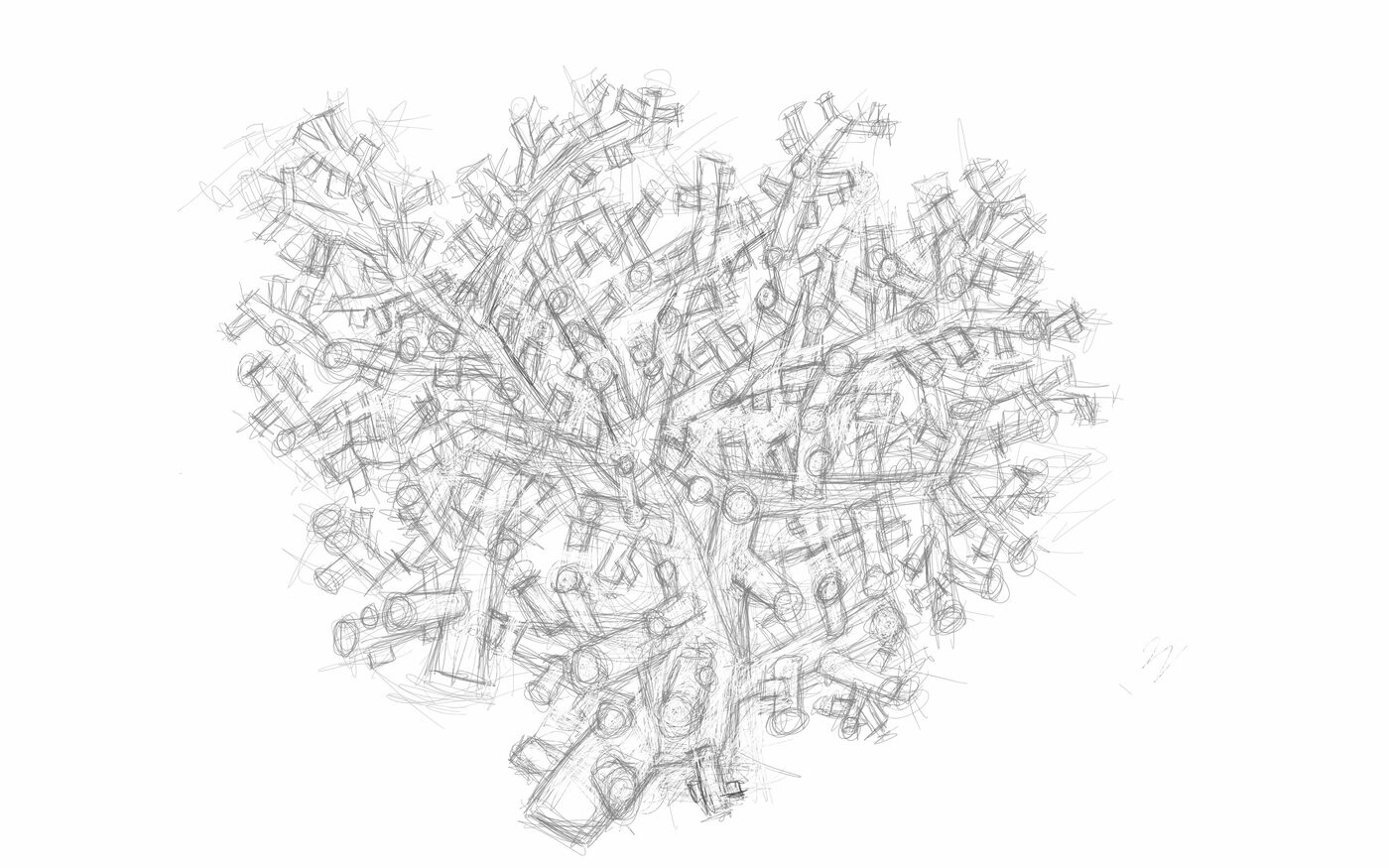
Artificial organisms — recursive, vascular structures grown by code — written in C++, Java, and JavaScript. The root of every series that followed, and the vocabulary of the live sketch above.
Studies · Verse · fxhash · Protobyte Creator, liveDrawing, code, artificial life, and paint — one generative process. I begin without a fixed outcome; something reveals itself along the way.
My practice includes drawing, computation and painting. Regardless of medium, my process is primarily generative/emergent. I begin most often automatically, with no target/goal/outcome in mind; my hands begin drawing/coding/painting. Hopefully, something engaging reveals itself along the way.
I define my overall process as post-computational, in that it is deeply informed by many years of coding.
Artist statement
Artificial organisms — recursive, vascular structures grown by code — written in C++, Java, and JavaScript. The root of every series that followed, and the vocabulary of the live sketch above.
Studies · Verse · fxhash · Protobyte Creator, live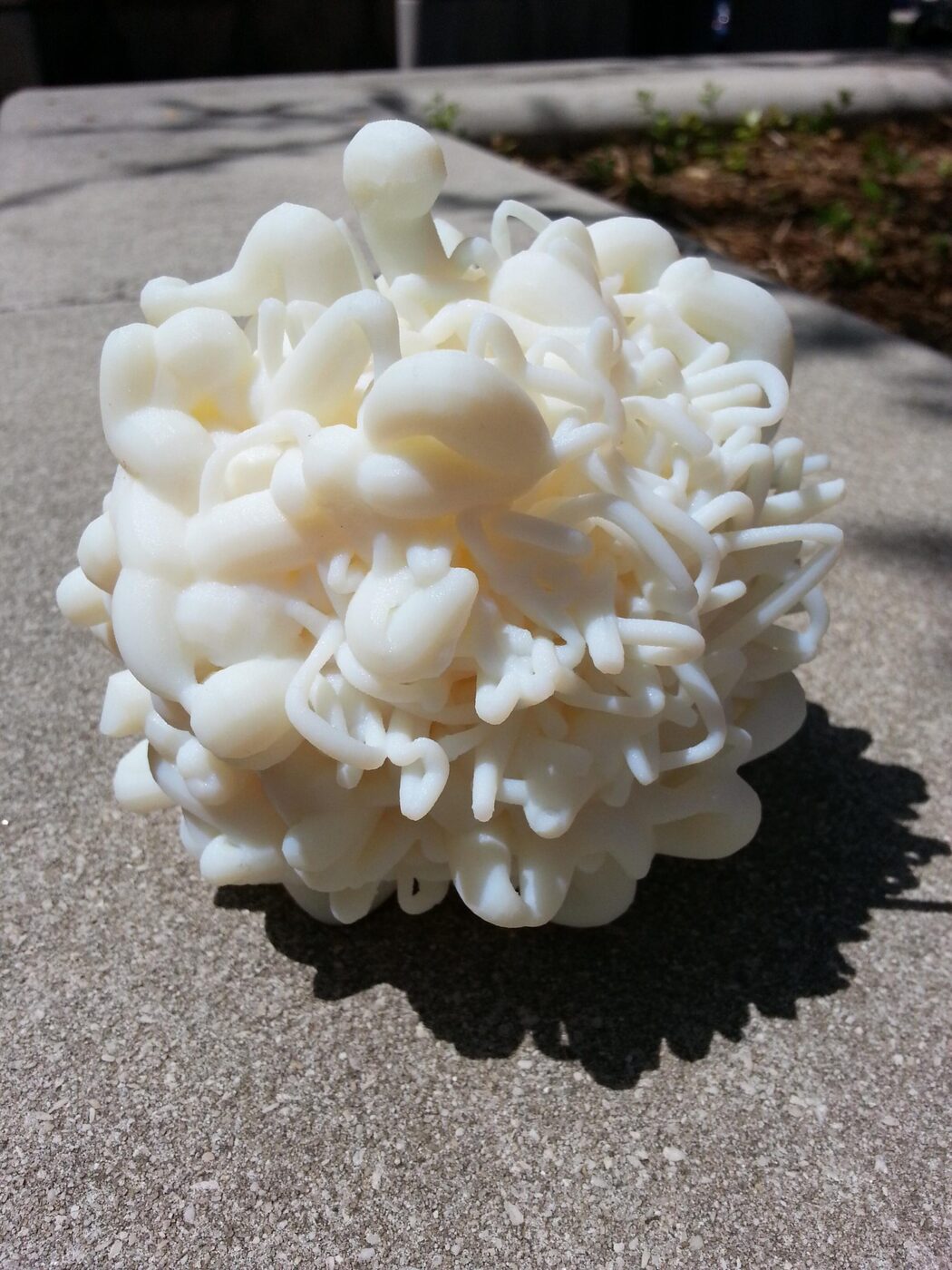
The same code, grown into an object.
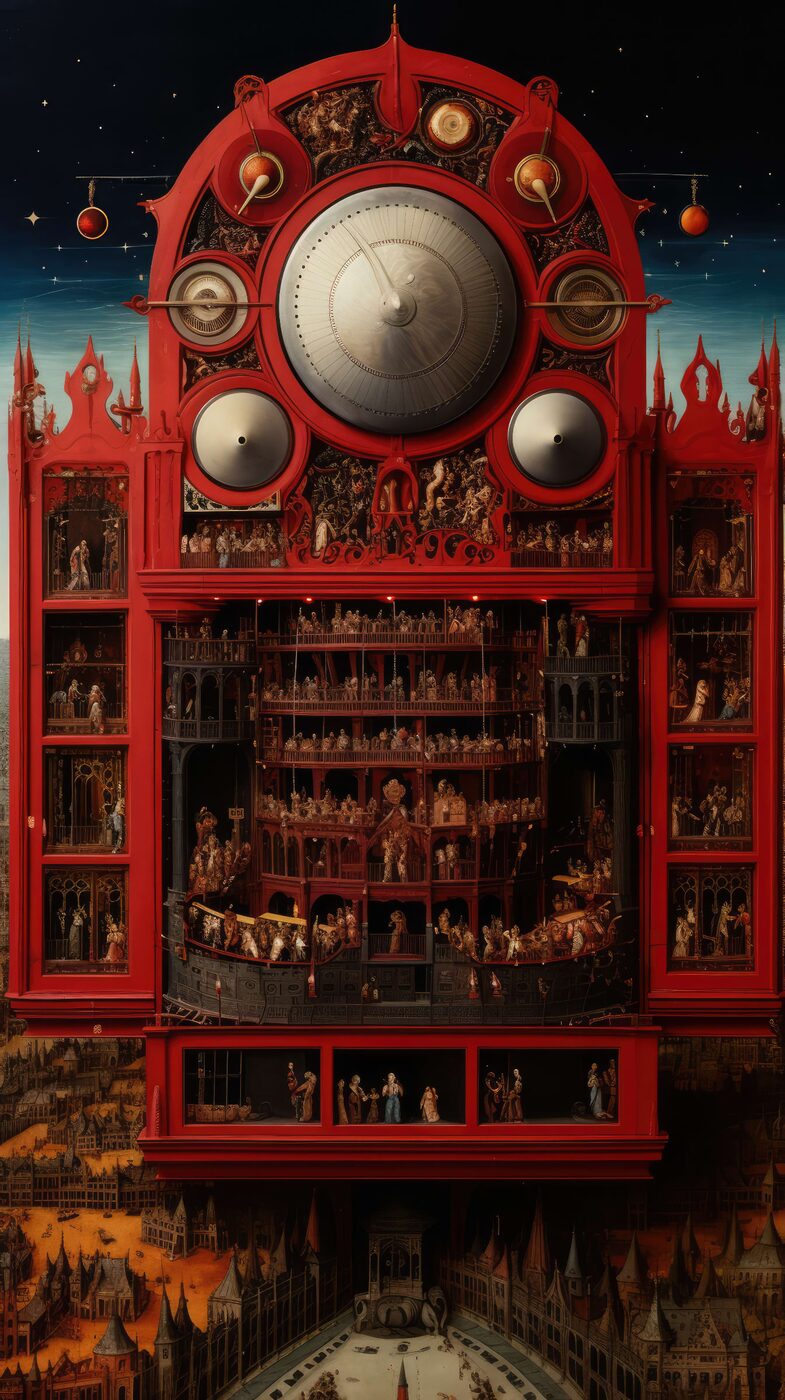
Algorithmic hallucinations informed by centuries of cultural representation. Generative AI, released on Art Blocks Engine.
Bright Moments, Venice Beach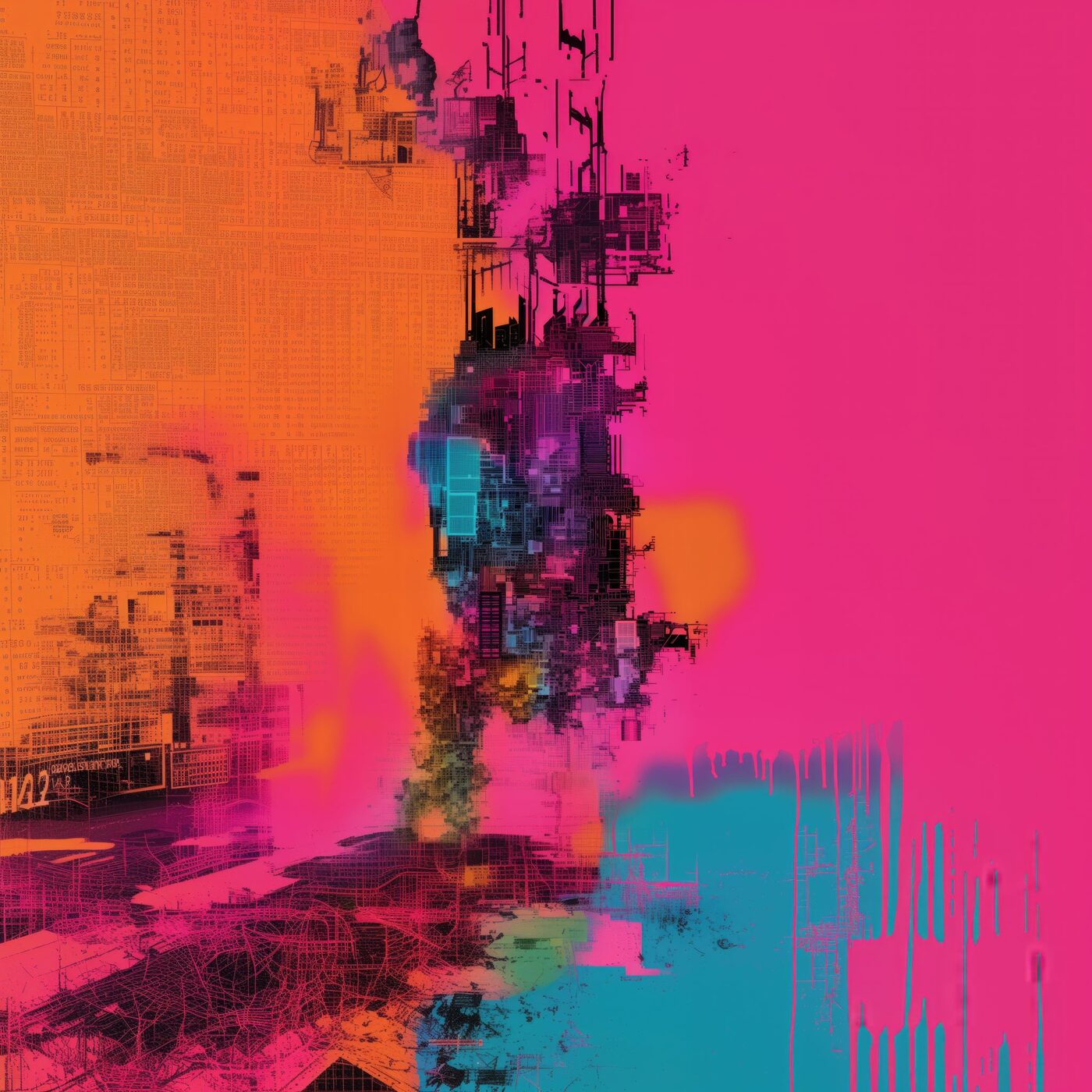
Dense, painterly cyber-city architectures, made during an artist residency at Gazelli Art House.
GAZELL.iO residency · Gazelli Art House, London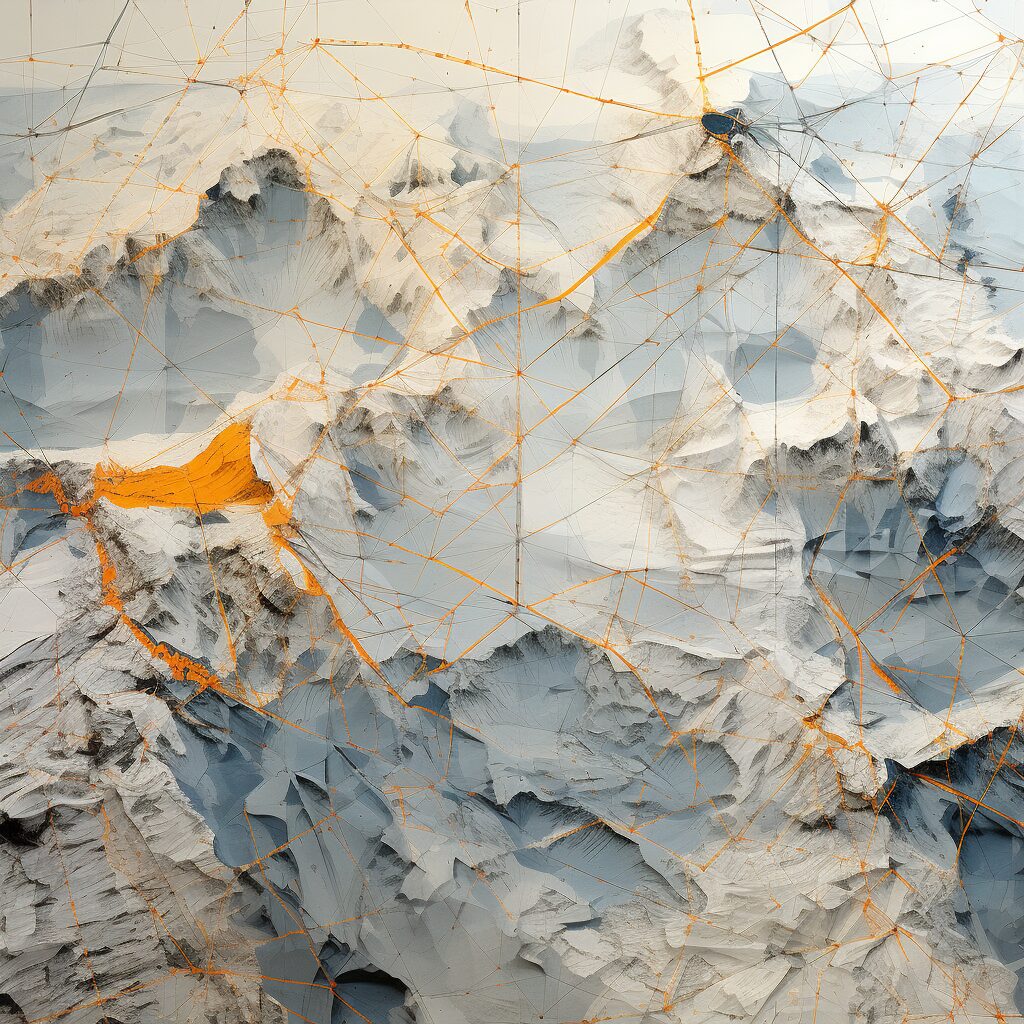
Topographic and aerial landscapes fusing landscape painting, maps, data visualization, and code. Eight motifs, nineteen palettes.
BrainDrops · edition of 511 · 6144 × 6144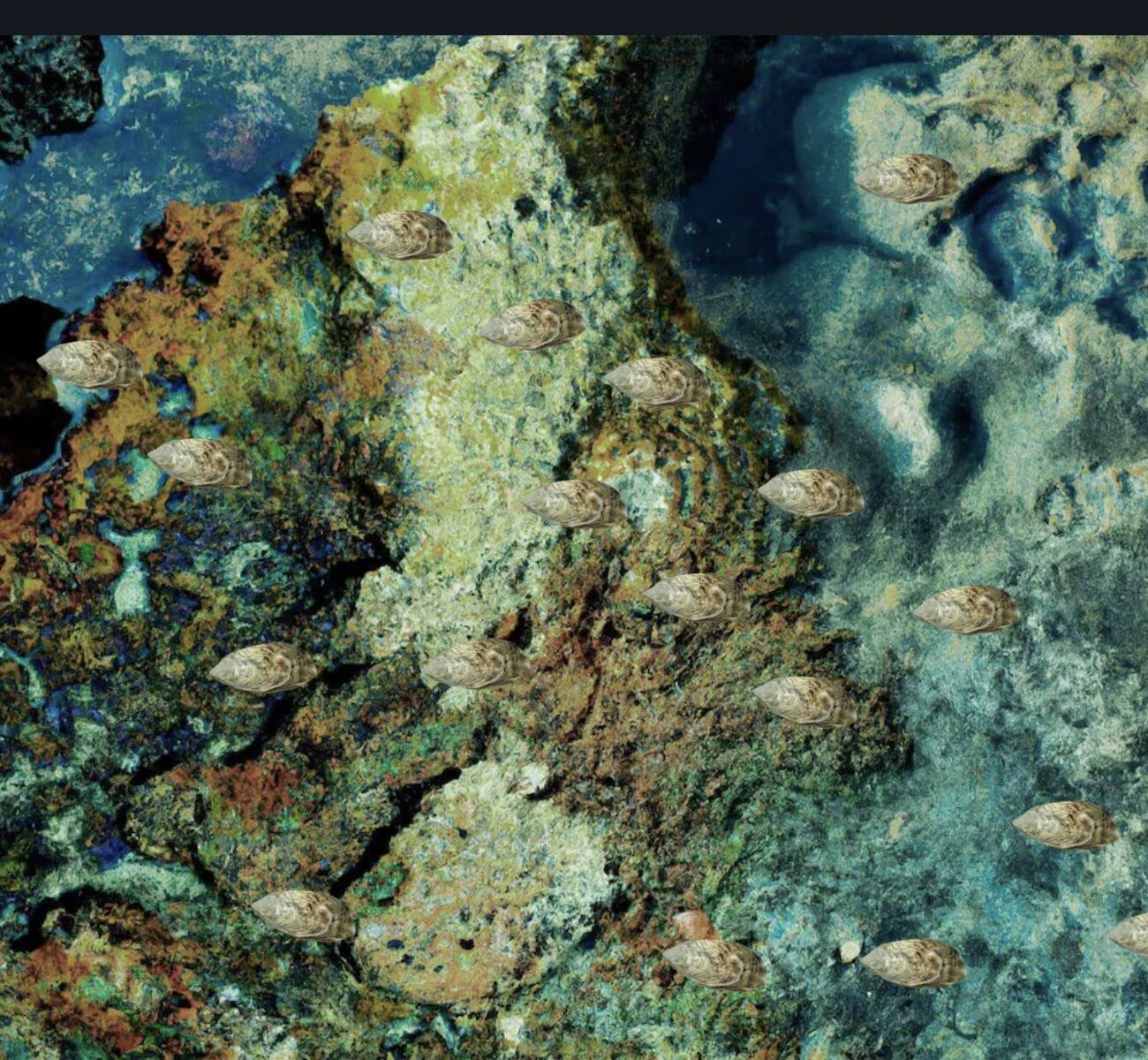
Buy an oyster: individually generated works that combine into a shared reef, with proceeds supporting oyster-reef conservation. Custom generative software.
Feral File, “Chain Reaction,” curated by Christiane Paul · edition of 93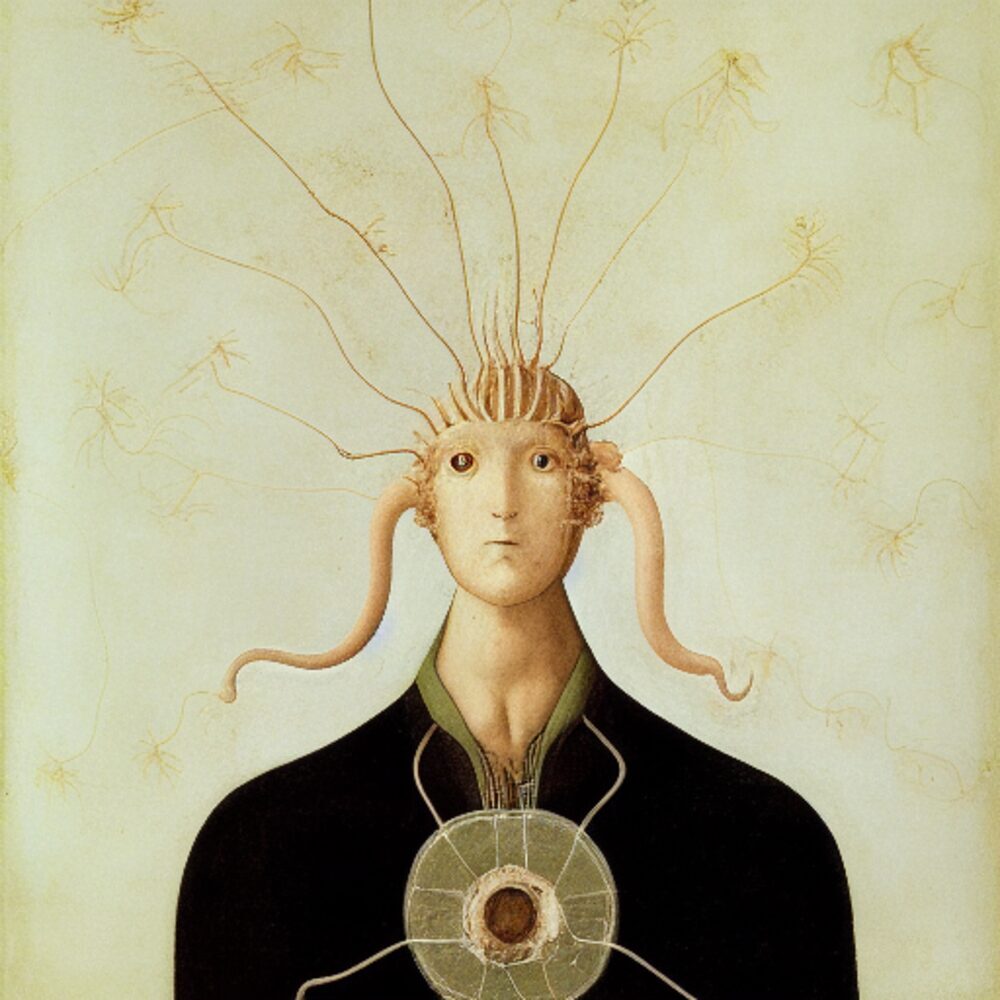
Long-form generative AI portraiture — the genesis project of Emergent Properties, the platform he co-founded.
Emergent Properties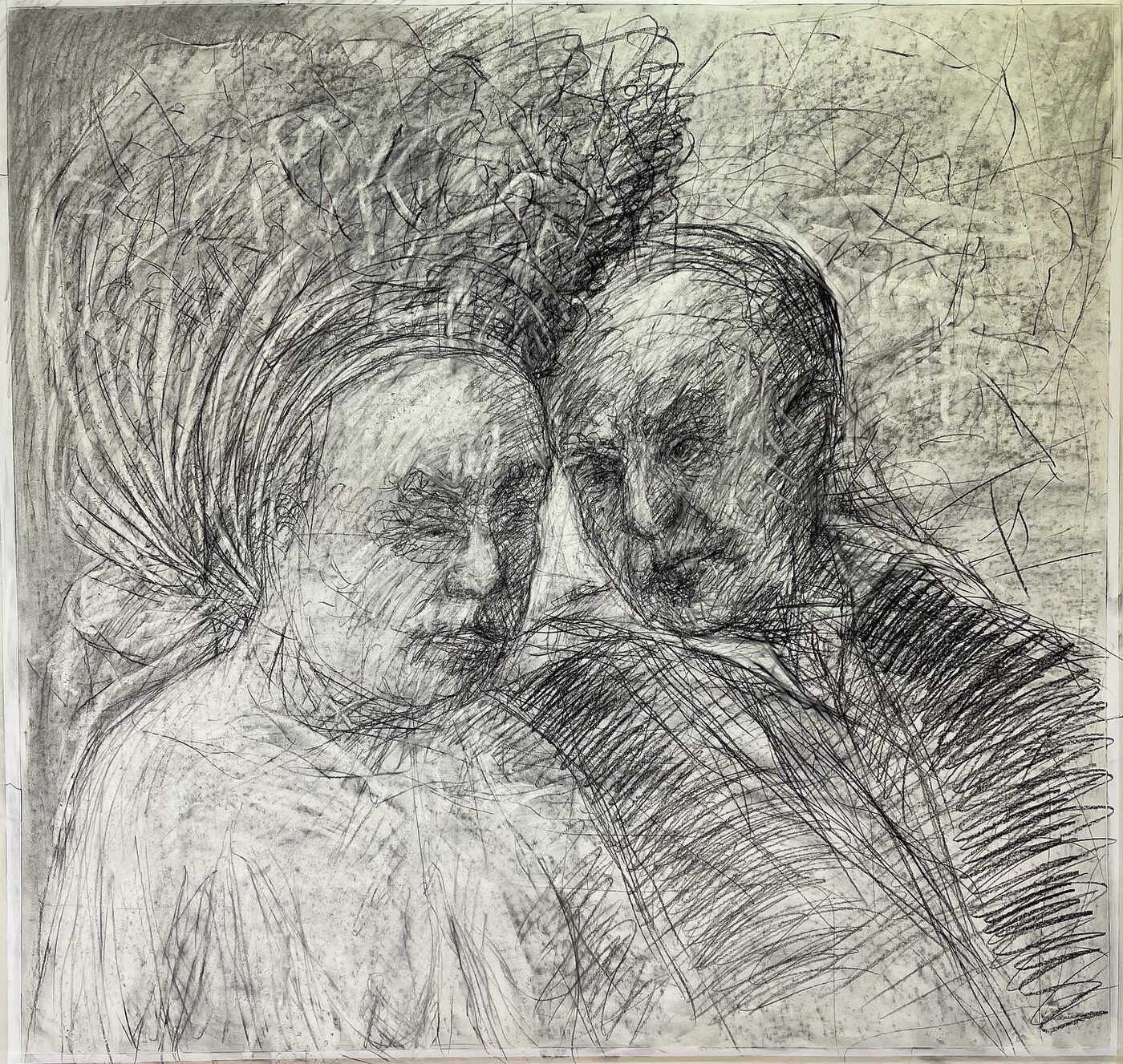
The hand drawing what the code draws: accumulation, revision, emergence. The charcoal and pencil suites — Lovers, Machinations, Tangles — share the generative DNA of the coded work.
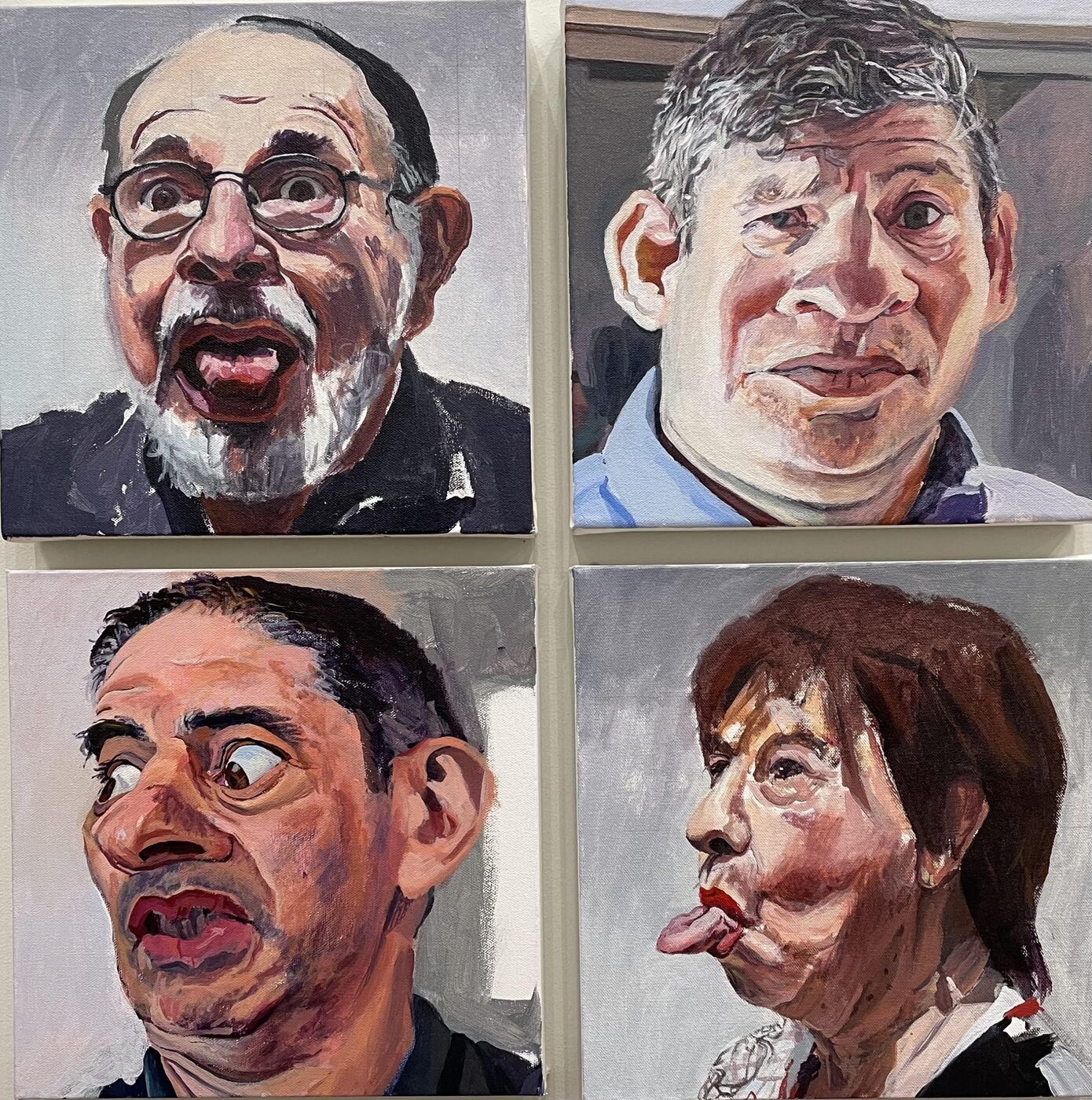
Painting, where the practice began.
Strata Gallery, Santa FeThe studio is seeking institutional partners — museums, festivals, public-art programs, science and natural-history institutions — for work that cannot be made alone: living generative systems that run for the length of an exhibition, physical forms grown by code, and collaborations at the scale of a building or a reef.
If your institution is planning something at this scale, write to the studio. Include the site, the timeframe, and what you hope people will feel.
ira@ij8.ai · proposals, site visits, and residencies welcomeA population of artificial organisms that keeps evolving across an entire run — projected, printed, or both — with visitors selecting, breeding, and naming what survives.
Protobyte Phylogeny · in development for a fall 2026 exhibition, San FranciscoLong-form generative work for façades, atria, LED and projection surfaces: parameterized systems rather than loops, so the wall is never the same twice.
Mappings · CyberStructures · GlomularusSculpture and painting produced from generative models — 3D-printed organisms, and oil paintings executed by robotic painting machines from digital originals.
Painted Heads, with Artmatr · Protobyte printsSystems that tie participation to a real-world outcome — as The Dorises tied each collected work to oyster-reef conservation.
The Dorises, with Marina Zurkow · Feral File
Ira Greenberg is an artist working in drawing, computation, artificial life, and paint. He trained as a painter — BFA, Cornell; MFA, University of Pennsylvania — showed with the Bowery Gallery in New York, spent the dot-com years directing a digital studio in Silicon Alley, then taught himself programming, computer graphics, and mathematics, and made code his primary medium.
He wrote one of the first comprehensive books on the Processing language, Processing: Creative Coding and Computational Art (2007), and two further creative-coding texts. Since 2004 his Protobyte series has grown artificial organisms in code; his generative and AI work has since been shown by Bright Moments, Gazelli Art House, expanded.art, and Feral File. He is a co-founder of Emergent Properties, a platform for long-form generative AI art.
He is Chair and Professor of the Department of Creative Computing at SMU’s Meadows School of the Arts, and works between Santa Paula, California and Dallas.